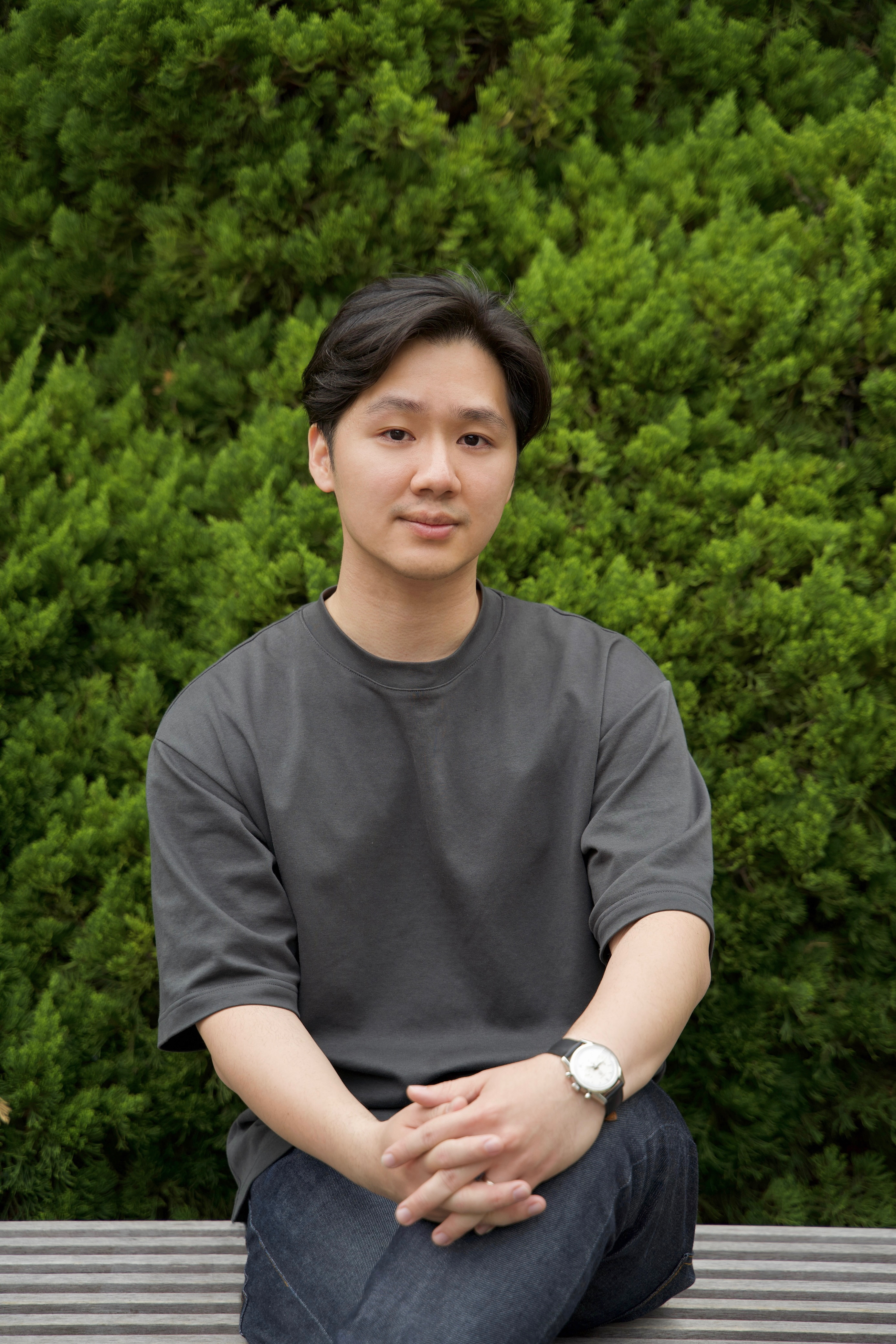
Amos Chiya, DM, PhD, is a systematic musicologist specialising in human-music geography, and music cognition and perception. His transdisciplinary and interdisciplinary research investigates how cultural hybridity, community exchanges, artistic interventions, and foundations of musical experience such as acoustics, physiology, and psychology contribute to sustainable development and regional revitalization. In addition, he also explores how the performing arts intersect with environmental law and governance to foster innovative, transdisciplinary responses to socio-environmental challenges, how performance-based techniques and musical experience shape learning and enhance cognitive development, and how cultural consonance and intercultural theory is used as a cross-cultural management strategy.
Before entering academia, Chiya was trained in composition, piano, and in operatic, ballet, symphonic, and choral conducting. He spent his formative years based in Europe as a professional conductor, working with professional orchestras, opera theatres, and ballet companies in more than 25 different countries, and earned multiple prizes in piano, composition, and conducting. Despite not holding a bachelor’s degree, he received his PhD from the TAOYAKA program at Hiroshima University with an interdisciplinary focus on cultural and human geography, sustainability and regional revitalization, arts and event management, and sociomusicology. He was also awarded a scholarship to study medicine in Russia, as well as read and trained in environmental law under a mentorship with Prof. Emer. Koh Kheng Lian (National University of Singapore).
Chiya is currently a lecturer/instructor at the Nagoya University of Commerce and Business (NUCB) International College (NIC), where he also designs and heads the music programme, and an adjunct lecturer at the Singapore Raffles Music College. Before taking up his current role, he was Research Fellow in Sustainability Science, Next-Generation Research Fellow, Teaching Fellow, and a dual postdoctoral-level fellow and researcher in applied linguistics and public health at Hiroshima University, and served as the Representative for Music and Culture for the Environment on the International Council of Environmental Law.
Research interests:
- Music Cognition and Perception
- Performance Physiology
- Cultural Hybridity
- Human Geography
- Arts, Cultural, and Event Management
- Sustainability Studies
- Sociomusicology
- Cross-cultural Management
- Environmental Governance
 C H I Y A